
Product Strategy
Acquisition Journey, Savings Calculator POC
Testing product-market fit through a rapid acquisition journey and savings-calculator proof of concept
A rapid product-design engagement for a leading Australian insurer exploring a new insurance and investment proposition to help families plan and save for the cost of their children’s education.
Selected project evidence
The work behind the outcome.
Research, journeys, prototypes and delivered outputs selected to show how the project moved from evidence to decision and delivery.
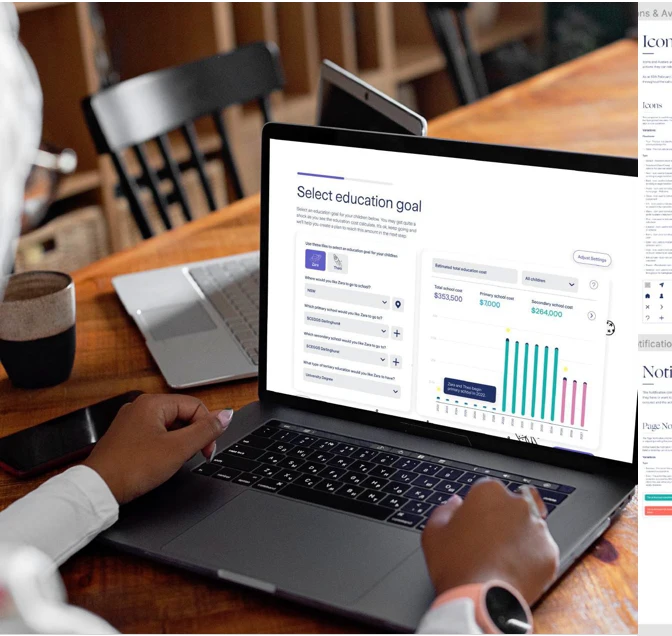
The high-fidelity proof of concept let families explore education goals, contributions and projected savings in a tangible product experience.
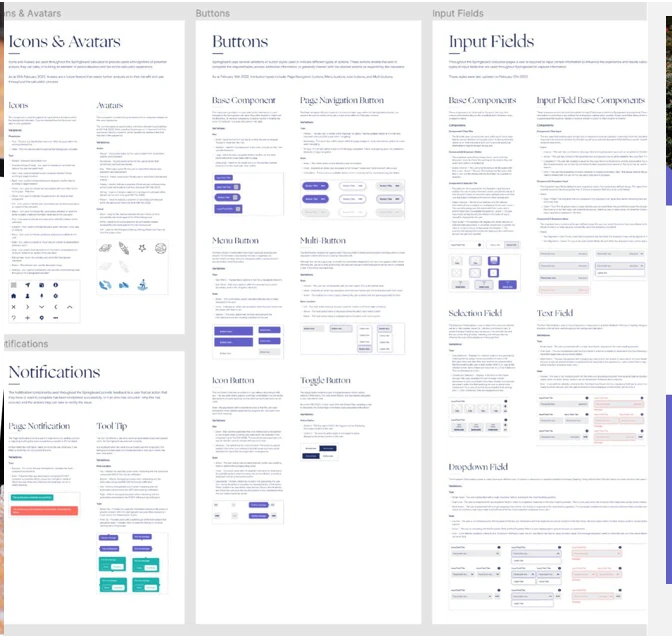
A supporting component system made the prototype coherent and gave the beta a practical foundation for further development.
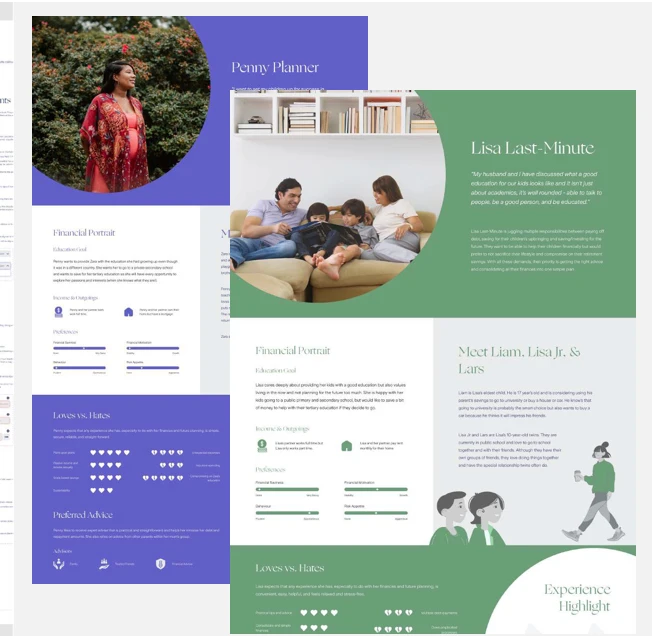
Personas and proposition material connected the calculator to the broader family needs, motivations and product story being tested.
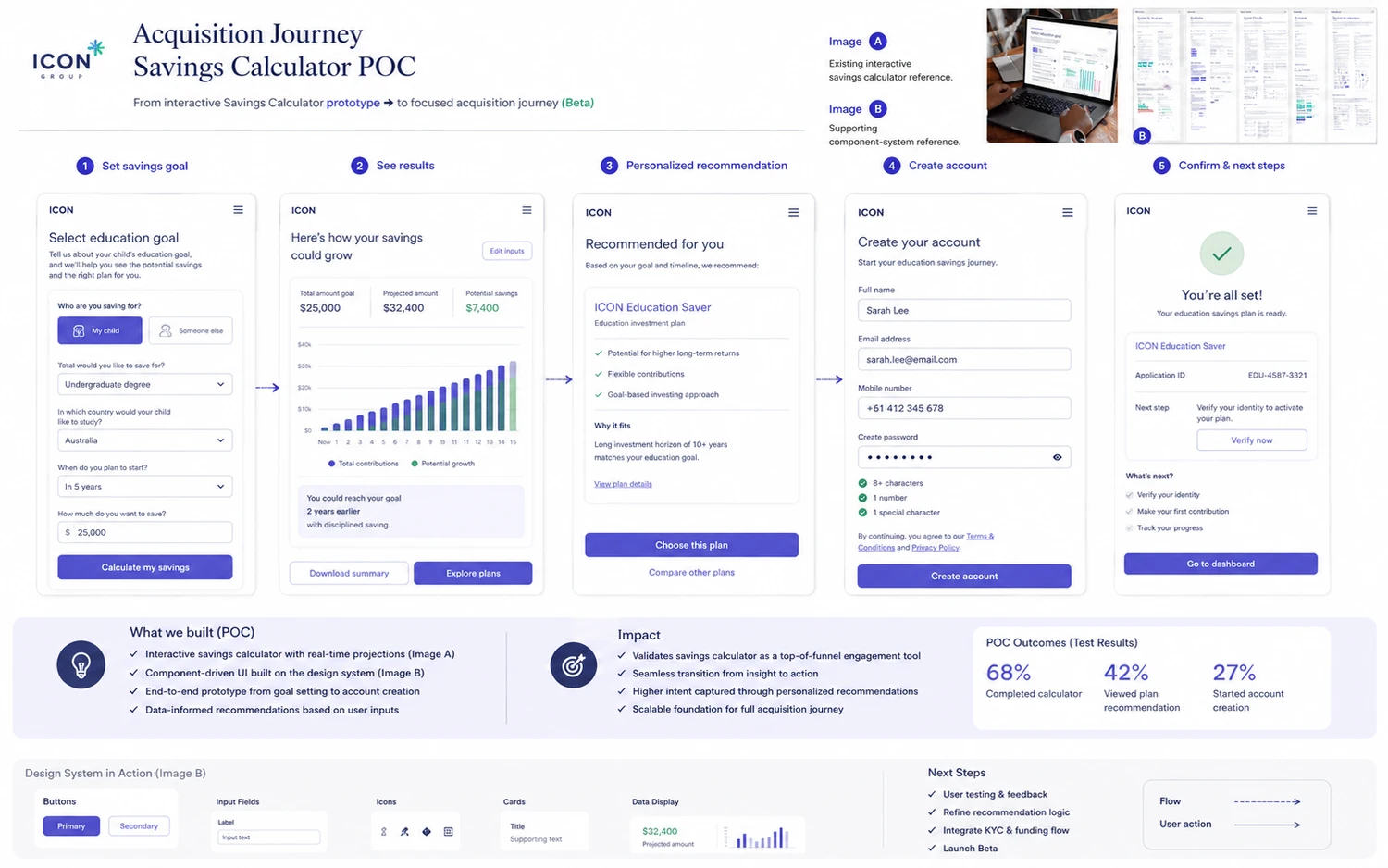
A supporting visual showing how the validated calculator concept could progress into a sharper acquisition flow and beta-ready experience.
The opportunity
A rapid product-design engagement for a leading Australian insurer exploring a new insurance and investment proposition to help families plan and save for the cost of their children’s education.
My contribution
Within one sprint, I helped bring the proposition to life as a high-fidelity acquisition and savings-calculator prototype, tested it with more than 30 users, and used the evidence to support a beta release and improvement backlog.
Context and challenge
A leading Australian insurer had an idea for a new insurance and investment product to help families save for their children’s education. The opportunity was promising, but the organisation needed to move quickly from idea to evidence.
The challenge was to rapidly design and release a beta that could test the proposition’s product-market fit, help families understand the future cost of education, and capture enough customer feedback to guide further investment.
My role
- Helped shape the acquisition journey and savings-calculator proposition.
- Worked within a rapid one-sprint design cycle.
- Designed a high-fidelity prototype covering the core customer experience.
- Supported testing with more than 30 users.
- Used research evidence to identify improvements and create a development runway.
- Applied Lean Product principles to support a faster beta release and learning cycle.
Strategic and product design response
Make the proposition tangible quickly
Rather than spend a long discovery phase debating the concept, the team created a high-fidelity experience quickly enough for customers to react to something realistic. This turned an abstract investment idea into a proposition that could be understood, tested and challenged.
Connect acquisition to a meaningful customer need
The savings calculator gave families a practical way to understand the financial cost of their children’s education and explore flexible options for helping cover that cost. This made the acquisition journey more useful than a conventional product-sales funnel.
Use customer evidence to create the runway
Testing with more than 30 users provided evidence on the proposition, interaction model and information needs. Those findings informed the development runway and an improvement backlog for the beta.
Use beta delivery as a learning mechanism
The goal was not simply to launch quickly. The beta created a way to continue testing product-market fit and reduce uncertainty before committing to further investment.
Outcome and impact
- A high-fidelity acquisition and savings-calculator experience designed and tested within one sprint.
- Research completed with more than 30 users.
- A beta release accelerated through Lean Product principles.
- An evidence-based improvement backlog and development runway.
- Greater confidence for the client to decide whether to invest further in the opportunity.
Why it matters
This project shows how product strategy, customer research and interaction design can work together to reduce uncertainty quickly. The design was valuable not because it looked finished, but because it gave customers something meaningful to respond to and gave the business evidence for the next investment decision.