
Product and Service Design
Aurora PAYG+
Replacing a legacy payment model with a more supportive digital energy service
A redesign of pay-as-you-go electricity from physical top-up cards to a digital service supporting balance visibility, payment and proactive communication.
Selected project evidence
The work behind the outcome.
Research, journeys, prototypes and delivered outputs selected to show how the project moved from evidence to decision and delivery.
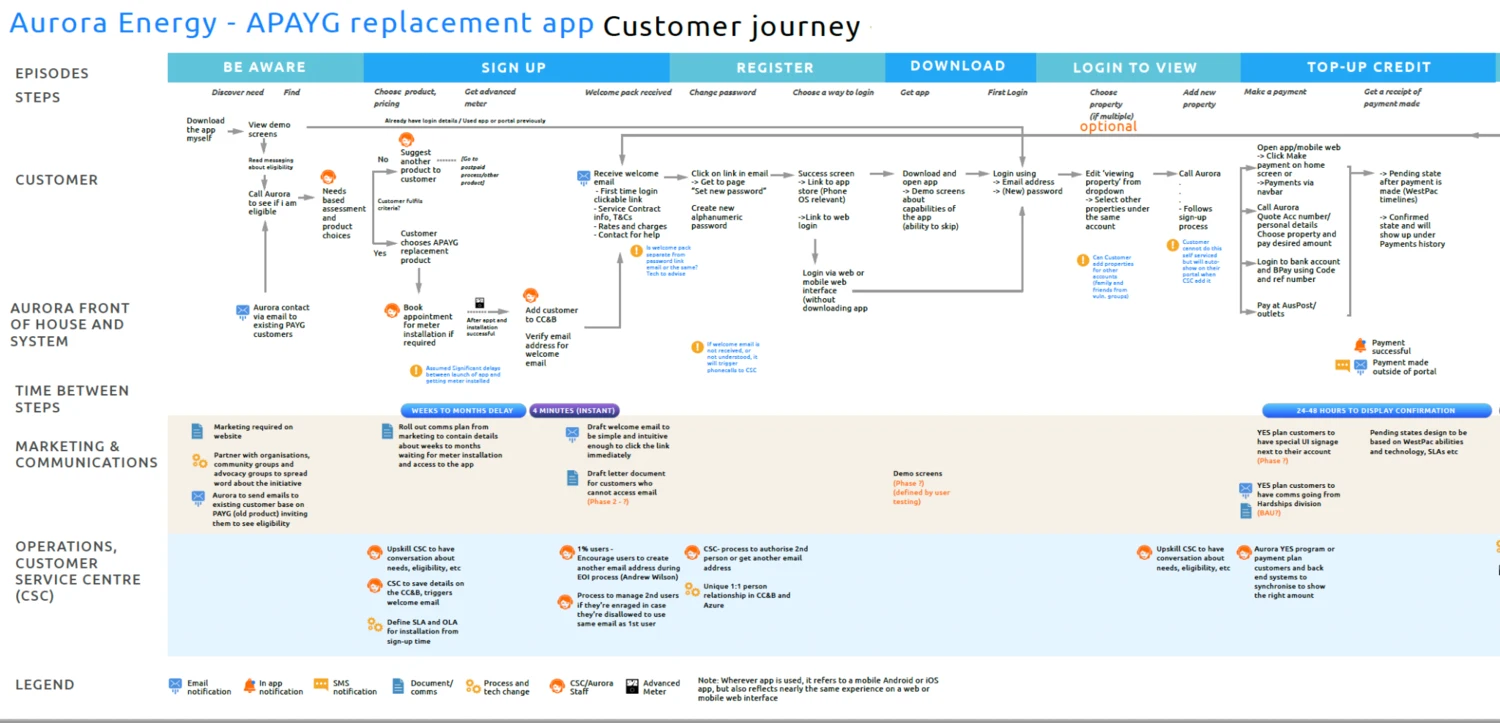
The journey connected awareness, sign-up, meter transition, registration, login, usage and top-up with communications and operational dependencies.
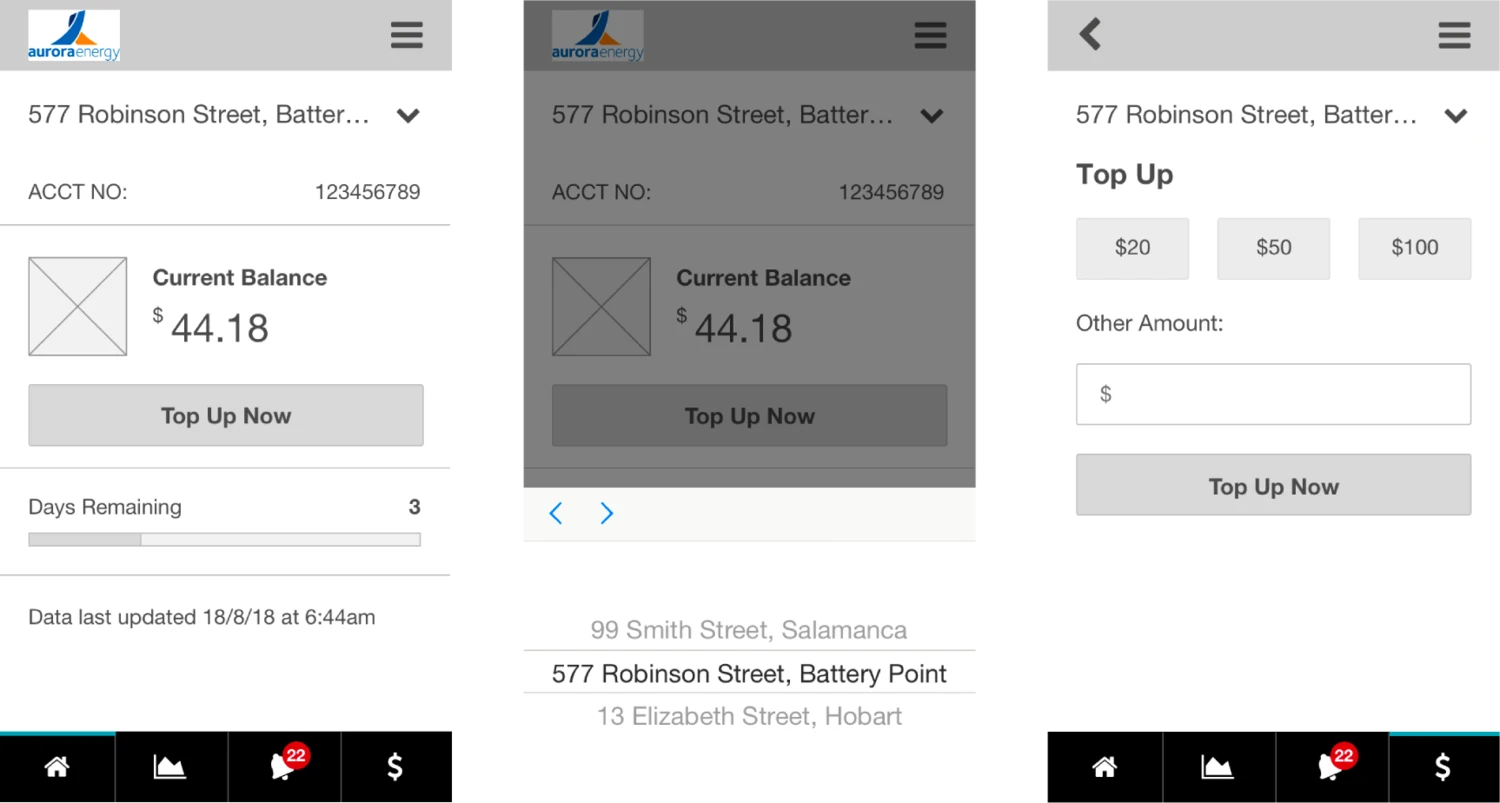
Early wireframes explored balance, property selection and top-up flows before visual design and development.
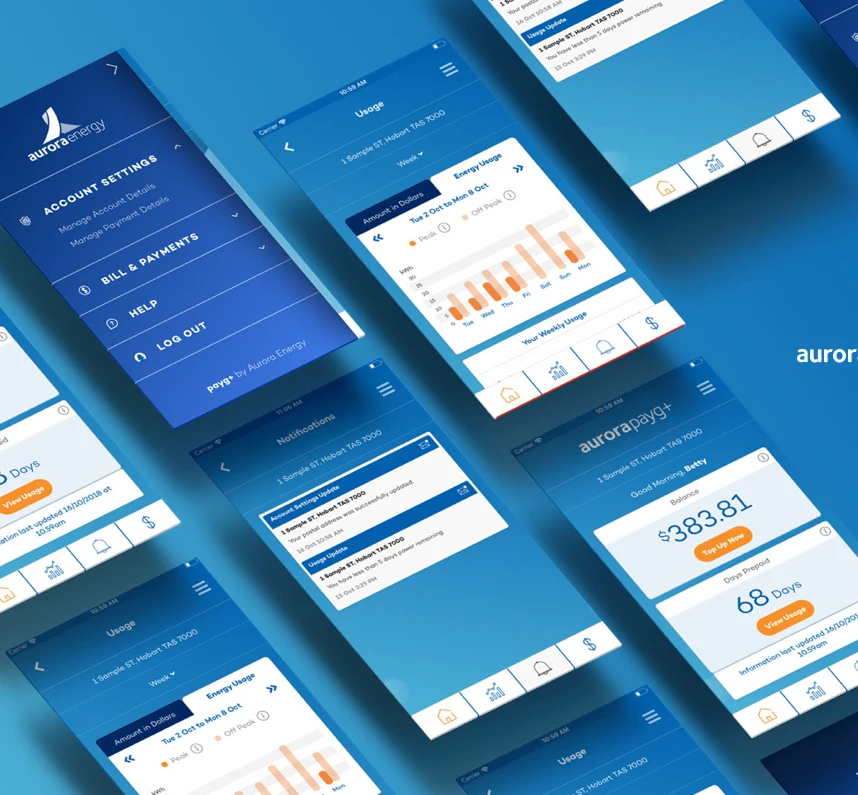
The visual design established a coherent product language across usage, balance, notifications, payments and account settings.
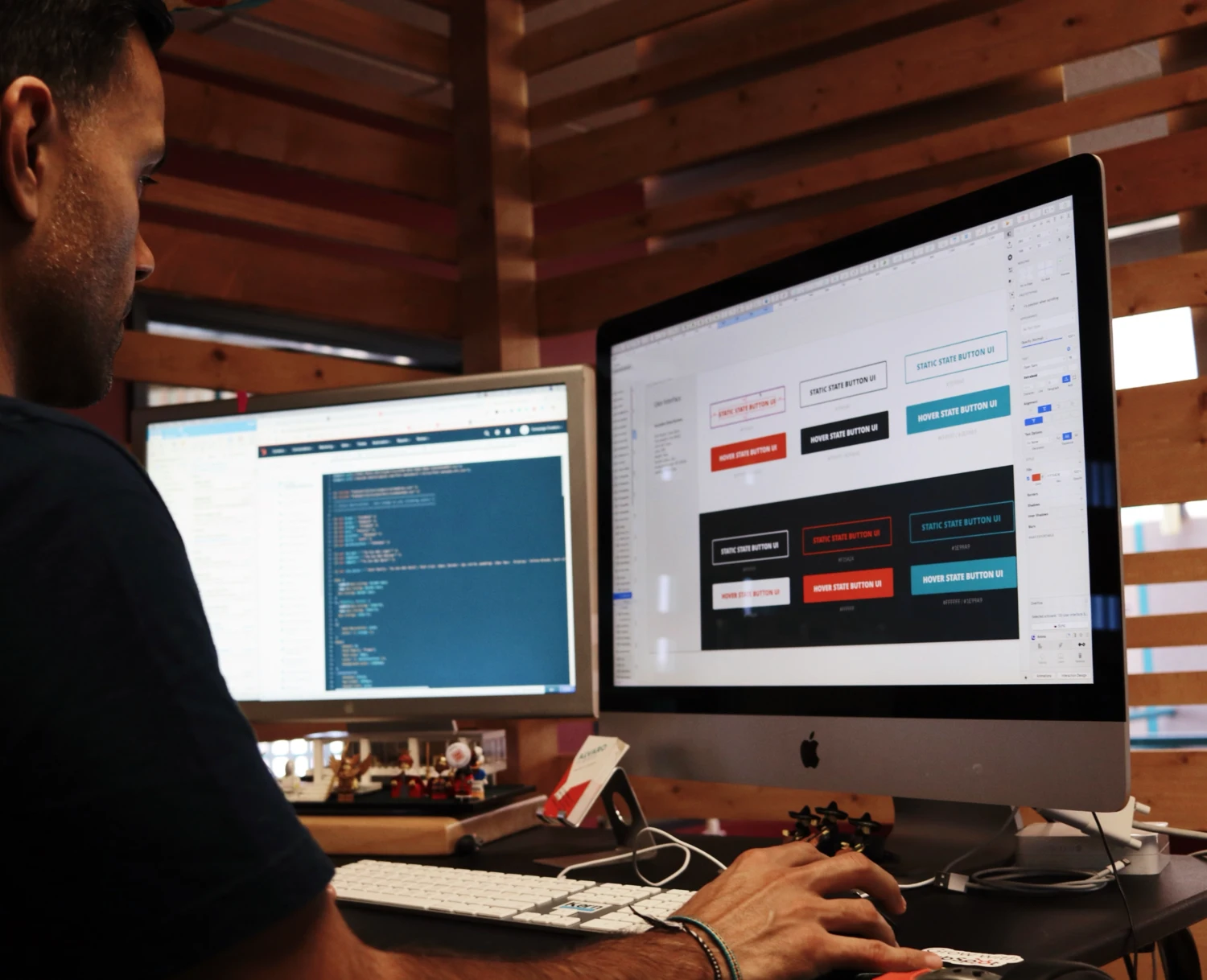
The delivered mobile experience gave customers visibility of balance, usage and payment actions in one service.
The opportunity
A redesign of pay-as-you-go electricity from physical top-up cards to a digital service supporting balance visibility, payment and proactive communication.
My contribution
I led service design, research, blueprinting, prototyping and accessibility work across customer, advocacy, operational and technical stakeholders.
Context and challenge
Aurora Energy was preparing to move PAYG customers from end-of-life metering and physical top-up cards toward next-generation metering and a new mobile/web service. The opportunity was bigger than digitising payment: customers needed to see, understand and manage their energy use as well as pay for it.
Customers needed to understand usage, manage credit and avoid unexpected loss of supply, including people experiencing vulnerability.
My role
- Led stakeholder and customer research.
- Included advocacy groups in discovery and testing.
- Mapped current and future journeys and service blueprints.
- Led prototyping, usability and accessibility work.
- Connected the customer experience to identity, billing, meter, payment and support processes.
- Helped introduce agile and human-centred ways of working.
Strategic and service design response
Understand the consequences, not just the transaction
Research explored budgeting, anxiety and the risk of losing supply as well as top-up behaviour.
Connect the app to the service behind it
The blueprint linked account setup, metering, billing, payment, notifications, customer support and administration.
Design for customers experiencing vulnerability
The service prioritised clarity, visible credit, timely notifications and simple account management.
Build confidence in HCD
Regular research playback, co-design and showcases helped stakeholders see how customer evidence could shape delivery decisions.
Outcome and impact
- A mobile-first PAYG experience replacing the physical card model.
- Real-time usage and balance visibility.
- Digital top-up and payment history.
- Low-credit notifications and clearer communication.
- A supporting administrative experience for staff.
Why it matters
For essential services, convenience is only one dimension of experience. This project connected digital transformation with accessibility, vulnerability and operational reality.